
Most surgical errors aren’t caused by a single dramatic mistake made in the heat of the moment – they’re caused by quiet breakdowns in communication that happened well before the first incision was ever made. Wrong-site surgery, retained surgical instruments, and mismatched patient information are almost always traceable, on root-cause review, to a gap in shared information among members of the surgical team. The presurgical huddle exists specifically to close that gap before it can cause harm, and it has become one of the most effective, evidence-backed tools in modern surgical safety practice.
What Happens During a Presurgical Huddle
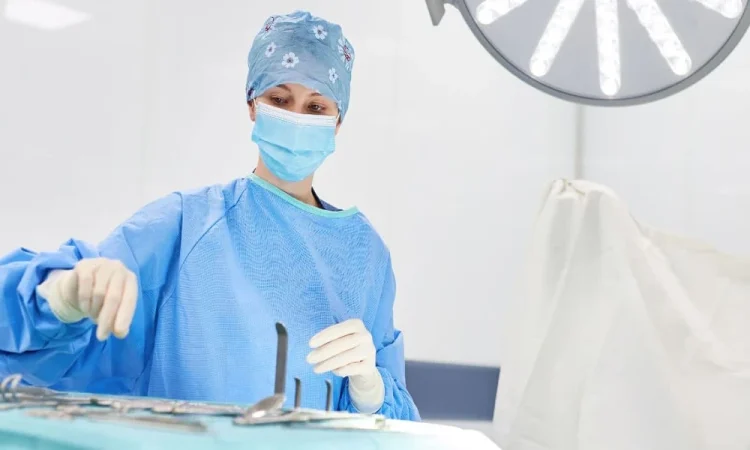
A presurgical huddle is a brief, deliberately structured conversation held immediately before surgery begins, bringing together the surgeon, anesthesia provider, circulating nurse, scrub tech, and any other key team members present for the case. Unlike informal pre-op chatter or small talk, a genuine huddle follows a defined, repeatable structure specifically designed to surface any lingering concerns, confirm critical case details out loud, and align the entire team’s understanding before the patient is placed under anesthesia.
The WHO Surgical Safety Checklist and the Surgical Time-Out
The modern presurgical huddle grew directly out of the World Health Organization’s Surgical Safety Checklist, a framework with strong evidence behind it for reducing surgical complications and mortality across health systems worldwide, from resource-rich to resource-limited settings alike. The formal “time-out” – a mandatory pause immediately before incision to verbally verify patient identity, the intended procedure, and the correct surgical site – is one of the checklist’s most visible components, but the broader huddle itself often happens somewhat earlier, addressing case logistics, specialized equipment needs, and case-specific risk factors in more depth.
Key Elements of an Effective Huddle
A well-run huddle typically covers several defined elements: confirmation of patient identity and the planned procedure, verification of the surgical site including any required site marking, review of relevant allergies and significant comorbidities, discussion of anticipated blood loss or any special equipment needs, and an open invitation for any team member to voice concerns about the plan as it currently stands. Critically, every team member, regardless of role, seniority, or years of experience, is expected and empowered to speak up if something seems off – a cultural shift that has measurably improved patient safety outcomes across many institutions.
Evidence: How Huddles Reduce Surgical Complications
Multiple published studies have linked structured surgical huddles and checklists to significant, measurable reductions in wrong-site surgery incidents, retained surgical items, and postoperative complication rates more broadly. Beyond the raw statistics, huddles create an important psychological safety net for the whole team: when a scrub tech or a junior team member notices something that seems inconsistent with the plan, a genuine huddle culture makes it far more likely they’ll actually raise that concern before the procedure starts, rather than staying silent during it out of hesitation or deference to hierarchy.
Common Barriers to Consistent Huddle Implementation
Despite strong supporting evidence, huddles aren’t always performed with real consistency in busy clinical environments. Time pressure between back-to-back cases, entrenched hierarchical team dynamics, and a “we’ve done this exact procedure a hundred times before” mentality can all quietly erode compliance over time. Some facilities end up treating the huddle as a formality to rush through and check off a list, rather than as the genuine safety pause it’s intended to be, which substantially undermines its entire protective purpose.
Building a Genuine Huddle Culture
Building a genuine, durable huddle culture means actively training every team member – not just surgeons or attending physicians – to expect and fully participate in the process, standardizing the huddle format consistently across cases and providers, and reinforcing repeatedly that raising a concern out loud is a clear sign of good clinical practice, not insubordination or a lack of confidence. Visible leadership support and consistent modeling from senior staff are ultimately what turn a checklist item on paper into a real, lived safety habit on the unit.
Measuring the Impact of a Huddle Program
Measuring the impact of a huddle program is also part of building lasting institutional buy-in. Facilities that track metrics like near-miss reports, wrong-site events, and staff-reported communication concerns before and after implementing a structured huddle process often find concrete, quantifiable evidence that the practice is working, which helps justify the time investment to leadership and reinforces staff confidence that the huddle is a meaningful safety tool rather than an administrative formality layered on top of an already busy pre-op routine.
Clinical Scenario: Catching a Consent Discrepancy
Consider a real-world example of why this matters: a circulating nurse notices during the huddle that the consent form lists a slightly different procedure than what the surgeon just described verbally. In a rushed environment without a structured pause, this kind of discrepancy can slip through unnoticed until it’s too late to correct easily. In a genuine huddle culture, that nurse raises the discrepancy immediately, the team pauses to resolve it, and a potential error is caught before the patient is ever put under anesthesia. This is the entire point of the huddle – not simply following a checklist for its own sake, but creating a reliable, repeatable moment where exactly this kind of catch becomes routine rather than accidental.
Continuing Education on Presurgical Huddles
The Presurgical Huddle course walks through this entire framework in detail, from the checklist’s historical origins to practical team communication strategy, and is one of the accredited nursing certifications online available for perioperative nurses working toward continuing education requirements. It fits naturally alongside other online nursing training courses focused on patient safety and effective interdisciplinary communication more broadly. Whether you’re a circulating nurse, a scrub tech, or anywhere else on the perioperative team, understanding both the evidence behind the huddle and the communication skills needed to make it work is what turns a well-intentioned policy into a genuinely reliable safety net for every patient who goes through that OR door.