

Severe mitral regurgitation can cause breathlessness, fatigue, swelling and repeated episodes of heart failure because the mitral valve allows blood to leak backward instead of moving efficiently through the heart. When the leak becomes clinically important, patients may hear about two very different treatment paths: mitral valve surgery and transcatheter edge-to-edge repair with devices such as MitraClip.
Both treatments aim to reduce mitral regurgitation, but they achieve that goal in different ways. One is a surgical operation with direct access to the valve. The other uses a catheter to bring parts of the valve leaflets together without opening the chest.
Understanding the difference is important because the least invasive option is not automatically the most appropriate one.
How MitraClip Works
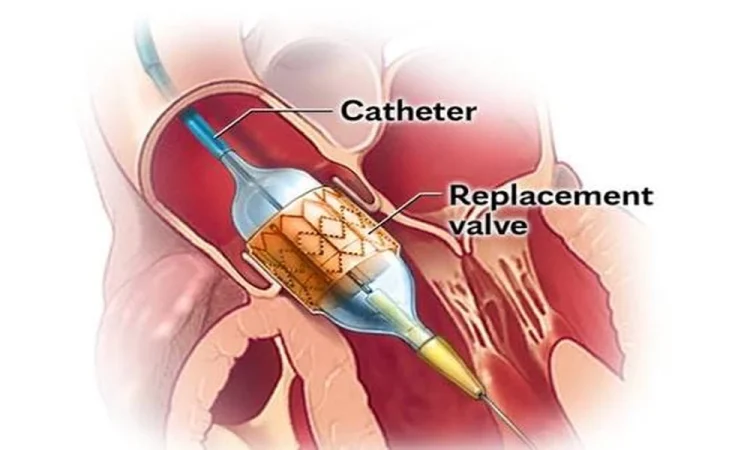
MitraClip is used during a TEER procedure. A catheter is introduced through a vein in the groin and advanced to the heart. The team crosses from the right atrium into the left atrium and positions the clip above the mitral valve using detailed echocardiographic guidance.
The device grasps the mitral valve leaflets at the area of regurgitation and brings them closer together. This creates a more effective seal and reduces backward blood flow.
The native valve remains in place. The procedure repairs its closing mechanism rather than replacing the valve.
How Surgical Mitral Valve Treatment Works
Open mitral valve surgery gives the surgeon direct access to the valve. Depending on the disease, the valve may be repaired or replaced.
Repair is often preferred when a durable repair is technically possible, particularly for degenerative primary mitral regurgitation. Surgeons can reshape the valve, support the annulus with a ring, repair damaged leaflet tissue or address the supporting chordae.
If repair is not feasible, valve replacement with a biological or mechanical prosthesis may be necessary.
Which Patients May Be Better Suited to Surgery?
Surgery remains a central treatment for many patients with severe primary mitral regurgitation. A younger or lower-risk patient with a repairable degenerative valve may benefit from a durable surgical repair performed at an experienced centre.
Surgery can also be advantageous when another cardiac problem needs treatment at the same time. A patient who requires coronary bypass surgery, treatment of another valve or another structural operation may be able to have these issues addressed during one procedure.
Who May Be Considered for MitraClip?
The MitraClip option is particularly relevant for patients whose surgical risk is high because of age, frailty, previous cardiac surgery or other medical conditions.
It may also be considered for selected patients with secondary mitral regurgitation who continue to have significant symptoms despite appropriate heart-failure treatment and whose anatomy meets criteria for TEER.
Patients considering a TEER procedure need detailed echocardiography because leaflet length, calcium, valve area and the location of the regurgitant jet affect whether the clip can work effectively.
Recovery Differences
Recovery after MitraClip is generally shorter because there is no sternotomy and no large chest incision. Many patients begin mobilising soon after an uncomplicated procedure and may leave hospital within a few days.
Recovery after open-heart surgery takes longer because the body must recover from a major operation. The chest incision and, in many cases, breastbone healing place temporary restrictions on lifting, driving and physical activity.
However, recovery time should not be the only factor when choosing treatment. A longer recovery can be worthwhile if surgery offers a more complete or durable repair for a particular patient.
How Do the Risks Differ?
MitraClip risks can include bleeding, vascular complications, stroke, infection, transseptal-puncture complications, incomplete reduction of regurgitation, partial device detachment and excessive narrowing of the mitral valve.
Surgical risks include bleeding, infection, stroke, kidney problems, rhythm disturbances and complications associated with anaesthesia and cardiopulmonary bypass.
The relevant comparison is the risk for the individual patient. A healthy younger person may tolerate surgery very differently from an elderly patient with lung disease, kidney impairment and previous cardiac operations.
What About Treatment Effectiveness?
A technically successful MitraClip procedure can significantly reduce regurgitation and improve symptoms in appropriately selected patients. The goal is often to reduce severe leakage to a level that improves heart function and quality of life.
Surgery may achieve a more complete anatomical correction in some forms of primary mitral regurgitation, especially when expert repair is possible.
The Heart Team considers the mechanism of the leak, expected durability, surgical risk and what level of reduction is realistically achievable with each approach.
Can a Patient Have Surgery After MitraClip?
Some patients who undergo TEER may later require another catheter procedure or surgery if regurgitation progresses or the valve changes over time.
Previous clip placement can influence the technical options available during later surgery. This is one reason the first treatment decision should consider the patient’s likely lifetime pathway rather than focusing only on the immediate procedure.
Patients who want more detail about catheter repair can review a MitraClip procedure guide and discuss how the device may affect future options.
Why a Heart Team Is Important
Mitral valve disease sits at the intersection of imaging, interventional cardiology, heart failure and cardiac surgery. A multidisciplinary team can decide whether the patient is likely to benefit more from surgical repair, replacement, TEER or continued medical management.
For patients exploring MitraClip in Mumbai, access to both catheter-based and surgical expertise helps make the comparison more balanced.
The Bottom Line
MitraClip and open mitral valve surgery are not interchangeable treatments. Surgery provides direct access to repair or replace the valve and remains important for many patients, especially those who are younger, lower risk or have highly repairable primary disease.
MitraClip provides a catheter-based alternative for selected patients, particularly when surgery carries substantial risk or when secondary regurgitation persists despite appropriate medical therapy.
The best option depends on the cause of the regurgitation, valve anatomy, surgical risk, other heart disease and long-term treatment goals. A careful Heart Team discussion helps ensure that the treatment is chosen for its expected clinical benefit, not simply because it involves the smallest incision.